
In today’s construction field, when it comes to high-quality buildings, “steel structure” undoubtedly occupies a pivotal position. Steel structure is like the solid skeleton of countless buildings, bridges and industrial facilities. Its importance is immeasurable. With many significant advantages, it has become the cornerstone for the stable development of modern architecture.
Analysis of the connotation of steel structure
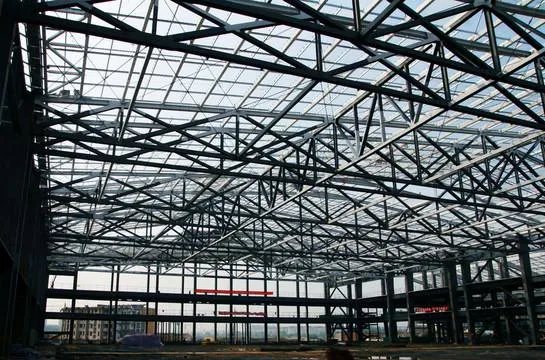
Steel structure is essentially a frame or component composed of steel parts. Steel beams, steel columns, trusses and other types of components are all key elements of steel structure. These components are not randomly pieced together, but are precisely designed and manufactured to meet the load-bearing requirements of specific structures. The reason why steel stands out among many building materials and becomes the first choice for building these frames is that it has excellent performance, including high strength, high durability, versatility and good sustainability.
The importance of steel structure in modern architecture
(I) Strength and durability create a solid foundation
One of the core reasons why steel structure is so popular is that it has unparalleled strength and durability. Steel itself is extremely strong and can withstand huge loads and external forces. This inherent high-strength characteristic effectively guarantees the long-term stability and safety of the structure it supports. For this reason, steel structures can steadily support the towering bodies of skyscrapers in the field of high-rise buildings; in bridge construction, they can cross wide rivers, lakes and seas to carry vehicles and pedestrians; in industrial facility construction, they can meet the stringent requirements of large-scale equipment placement and production operations, and are an ideal choice for all types of large buildings.
(II) Design versatility inspires unlimited creativity
In the field of architectural design, steel shows unparalleled flexibility and versatility. It can be shaped into a variety of shapes, whether it is a smooth and elegant curve or a tough and regular geometric shape, it can be easily achieved. This feature gives architects and engineers great creative space, allowing them to turn innovative and complex design ideas in their minds into reality. Thanks to the good adaptability of steel, open, column-free and spacious spaces can be created in buildings, providing architects and builders with a stage for free play, so that they can carefully carve out architectural structures that are both eye-catching and practical and convenient.
(III) Speed and efficiency promote engineering acceleration
Steel structures are well-known for their fast and efficient construction. Prefabrication of steel components in a controlled environment in the factory not only achieves precise quality control, but also significantly shortens the construction period. In today’s fast-paced construction project process, meeting tight project schedule requirements and minimizing interruptions in the construction process play a vital role in controlling costs and improving economic benefits. Steel structures can meet these needs and provide strong support for the efficient advancement of projects.
(IV) Sustainability leads the trend of green buildings
In the construction industry, sustainability has become a growing focus, and steel structures have outstanding advantages in this regard. Steel is highly recyclable, and the recycling process requires significantly less energy than primary steel production. Choosing steel structures means that the negative impact on the environment can be effectively reduced throughout the life cycle of the building, contributing to the construction of a more sustainable future. From the acquisition of raw materials to the reuse of resources after the demolition of buildings, steel structures practice the concept of green buildings, which meets the urgent needs of today’s society for environmentally friendly buildings.
(V) Resisting natural forces to protect life and property
Faced with the threat of natural disasters such as earthquakes, hurricanes and extreme weather, steel structures have demonstrated excellent resistance. The inherent high strength and good ductility of steel structures enable them to bend and deform when disasters occur, absorb and disperse energy, thereby minimizing the degree of structural damage and protecting the life and property safety of residents inside the building. In areas where earthquakes occur frequently, steel structures can effectively reduce the damage to buildings caused by earthquakes by virtue of their own characteristics; in areas where hurricanes are raging, solid steel structures can withstand strong winds and ensure the overall stability of the building.
(VI) Longevity characteristics reduce the cost of the entire life cycle
Steel structures have a long service life. They are resistant to corrosion, decay and pests, which makes the service life of steel structures far longer than many other building materials. Long life means that the maintenance and replacement costs required are lower throughout the service life of the structure. From a long-term perspective, the total cost of ownership of the building is effectively reduced, bringing more considerable economic benefits and investment returns to building owners.
In summary, steel structures have been deeply integrated into all aspects of modern architecture with their significant advantages in strength, design, construction, environmental protection, disaster resistance and cost, becoming a key force in promoting the continuous development of the construction industry and achieving comprehensive improvement in building quality and function. With the continuous advancement and innovation of science and technology, steel structures will surely play a more important role in the future construction field and continue to lead the construction industry to new heights.
